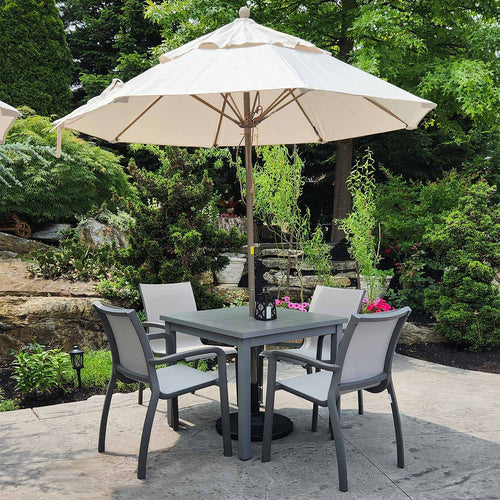
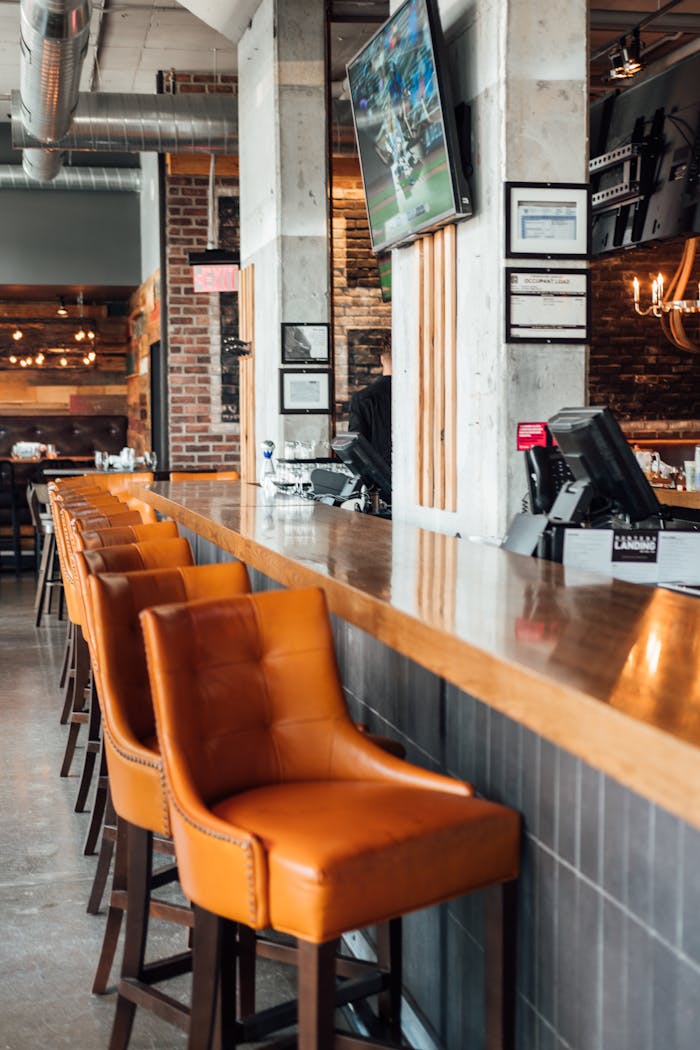
The sensory experience of wooden outdoor furniture extends beyond the visual to encompass touch, smell, and even sound. The tactile quality of wood changes with the seasons and weather conditions, warming quickly in the sun yet never becoming uncomfortably hot like metal. The subtle aroma of cedar or other aromatic woods adds another dimension to the outdoor experience, particularly when warmed by the sun or after a rain shower. Even the acoustic properties of wood contribute to its appeal in outdoor settings, as wooden furniture absorbs and softens sounds rather than reflecting them harshly as harder materials might. These sensory aspects create a richness of experience that synthetic materials struggle to match, connecting us to the natural world even in highly designed outdoor spaces.
Throughout this manufacturing dining table process, quality control checks maintain consistency and performance standards. The finished umbrellas undergo testing Italian Libeccio Table for water shedding, UV blockage, and wind resistance before packaging and distribution.
The world of outdoor living has seen remarkable changes over the years, with Sunbrella umbrellas becoming a preferred choice for many homeowners and businesses. These durable yet stylish items offer protection from rain and sun while providing quality that surpasses many traditional options. This article will explore the world of Sunbrella umbrellas, their applications, benefits, selection dining table process, and why they continue to gain popularity among consumers and professionals worldwide.
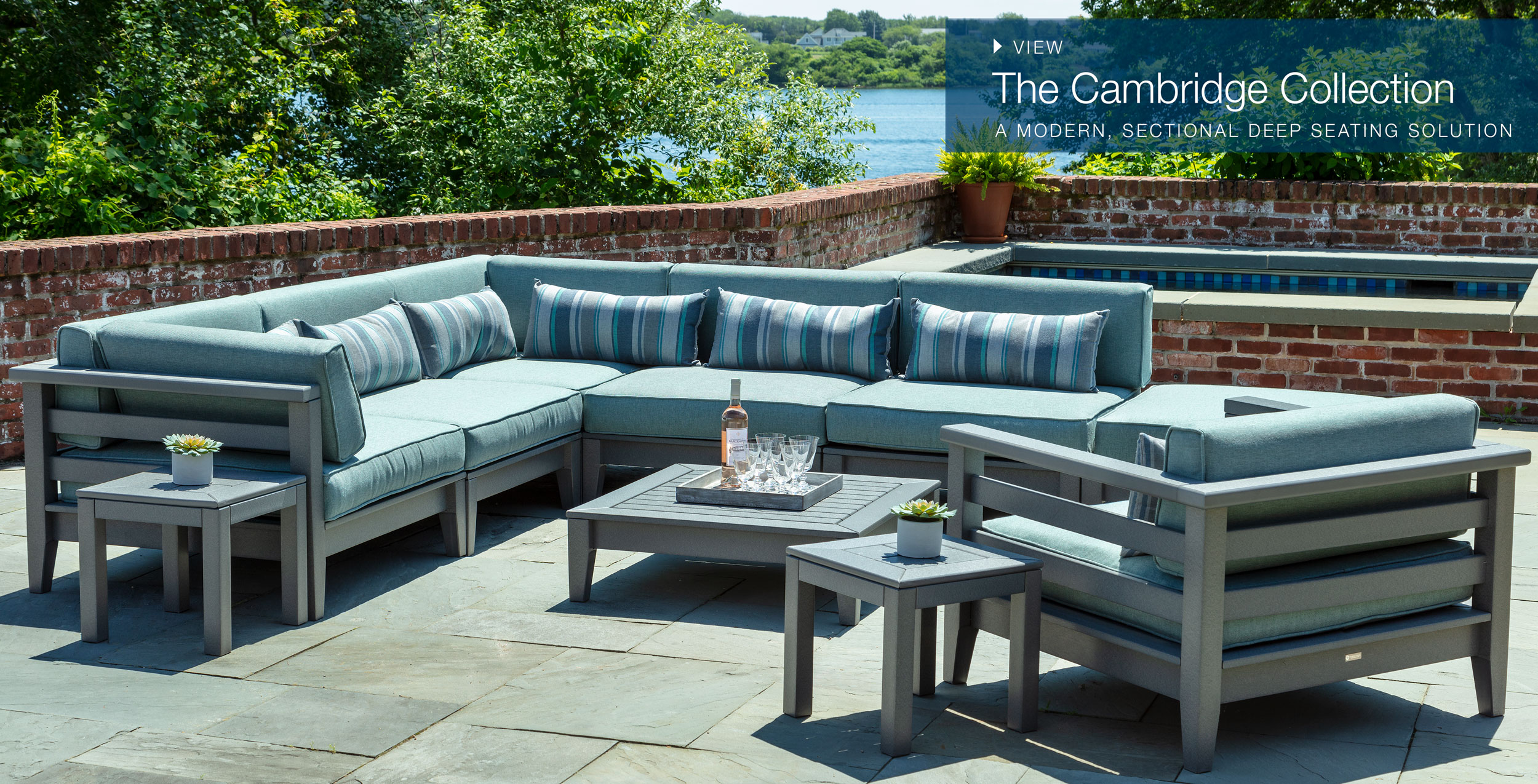

Teak wood umbrellas offer numerous practical advantages that translate to real value for users. These benefits explain why many consumers choose to pay a premium price for teak models compared to synthetic or metal alternatives.

Teak Wood Umbrellas: A Striking Choice for Outdoor Shade
Fiberglass entered the umbrella manufacturing scene in the late 1950s, coinciding with broader applications of this versatile material across various industries. Before this innovation, umbrellas typically featured frames made of wood, metal, or whalebone – materials that each had significant limitations. Wood was heavy and prone to warping, metal rusted and bent easily, and whalebone was both expensive and raised ethical concerns.
Offset umbrellas come in various designs to meet different needs and settings. Understanding the main types helps consumers select the right dining table option for their specific requirements.