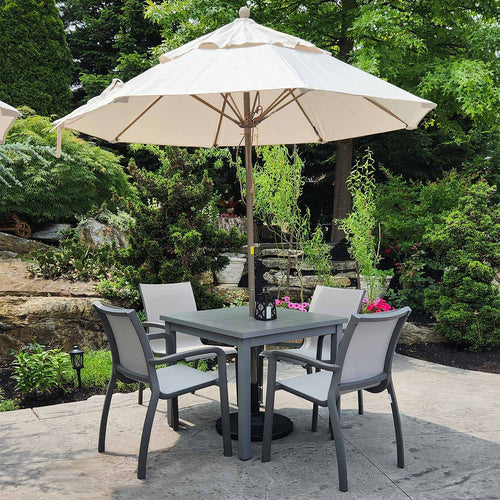
On the positive side, the extraordinary durability of Seaside Casual Furniture USA oak umbrellas reduces waste through longevity. A single quality oak umbrella might replace several cheaper models over its lifetime, resulting in less material entering landfills. This reduced consumption pattern aligns with sustainable principles of buying fewer, better items that last for generations.
The craftsmanship involved in creating quality wooden outdoor furniture represents a significant aspect of its appeal and value.

The placement of commercial patio umbrellas is also a strategic consideration. Properly positioned umbrellas can help delineate different areas within an outdoor space, guiding customer flow and enhancing the overall layout. They can create distinct zones for dining, relaxation, or socialization, making the outdoor environment feel more organized and inviting. This thoughtful arrangement can enhance the overall customer experience, leading to increased satisfaction and repeat business.
Proper maintenance extends the life of offset umbrellas and preserves their functionality. These simple care practices help protect your investment and maintain performance over many seasons.
Cantilever umbrellas featuring Sunbrella canopies offer unobstructed shade without center poles. These side-mounted designs place the support structure outside the shaded area, eliminating obstacles while providing premium fabric performance. The substantial investment in these larger umbrellas makes the durability of Sunbrella particularly valuable, as replacement canopies represent significant expense.
Rotating offset umbrellas add significant versatility to the basic design. These models include a mechanism that allows the entire canopy and arm assembly to rotate around the vertical support pole, often a full 360 degrees. This feature enables users to adjust shade coverage throughout the day without moving the heavy base, tracking the sun’s movement for continuous protection.
Beyond these commonly used woods, the market also offers outdoor furniture crafted from pine, oak, mahogany, and even reclaimed woods, each with distinct characteristics that influence their suitability for different outdoor environments and aesthetic preferences. Pine, for instance, offers affordability and takes well to paints and stains, allowing for creative customization, but requires diligent protection to withstand the elements. Oak provides exceptional strength and a distinctive grain pattern but needs regular sealing to prevent moisture damage. Reclaimed woods, salvaged from old barns, factories, or even railroad ties, bring unique character and history to outdoor spaces while representing an environmentally conscious choice that gives new life to existing materials.