As we look to the future of Umbrosa umbrellas, the potential for innovation remains vast. Emerging technologies may introduce new materials that further enhance durability while reducing weight. Additionally, smart technology could be integrated into umbrella designs, allowing for features such as weather forecasting or automatic adjustments based on environmental conditions. Such advancements would undoubtedly elevate the user experience, making Umbrosa umbrellas not only practical but also a reflection of modern living.
Throughout this manufacturing process, quality control Libeccio Extension Table checks maintain consistency and performance standards. The finished umbrellas undergo testing for stability, ease of operation, and weather resistance before packaging and distribution.
Furthermore, the environmental considerations surrounding the production of Aluminum umbrellas cannot be overlooked. Many manufacturers are committed to sustainable practices, utilizing eco-friendly materials and processes to minimize their impact dining table on the planet. This dedication to sustainability resonates with consumers who are increasingly conscious of their purchasing decisions and the broader implications of their choices.
The canopy material – usually premium outdoor fabric like Sunbrella or Olefin – is cut into panels and sewn together. This fabric is then attached to the teak frame, with reinforced points at high-stress areas. Quality umbrellas feature UV-resistant and dining table waterproof treatments applied to the fabric to improve durability and functionality.
Base requirements depend on installation plans. Freestanding teak umbrellas need substantial bases – typically at least 75 pounds for medium sizes and 100+ pounds for larger models. Some teak umbrellas come with integrated bases, while others require separate purchases. In-table installations need compatible table openings and potentially additional stabilizing hardware.
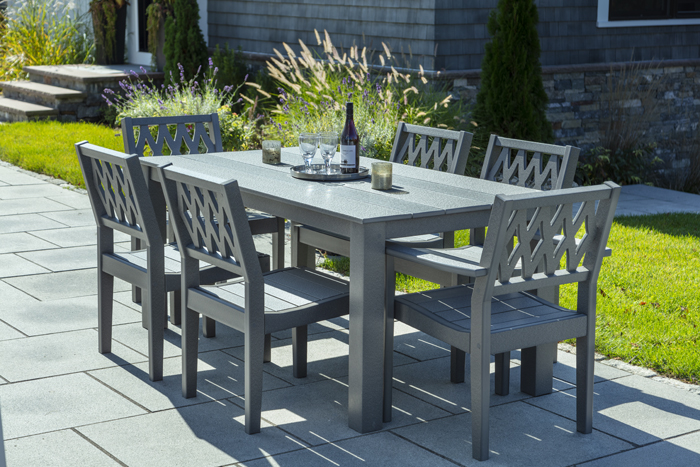
Oversized offset umbrellas provide extensive coverage for larger seating areas. These models, sometimes extending 13 feet or more in diameter, use reinforced support structures and may include multiple bracing points to maintain stability despite their larger size. They’re ideal for covering dining sets, conversation groups, or poolside lounge arrangements.
Restaurant-specific umbrellas entered the hospitality scene in the post-World War II dining table era, coinciding with broader trends toward outdoor leisure and café culture. Before this innovation, restaurants typically used generic shade options or permanent structures that lacked flexibility. Early outdoor dining spaces often featured basic umbrellas that offered minimal customization and limited durability in commercial settings.