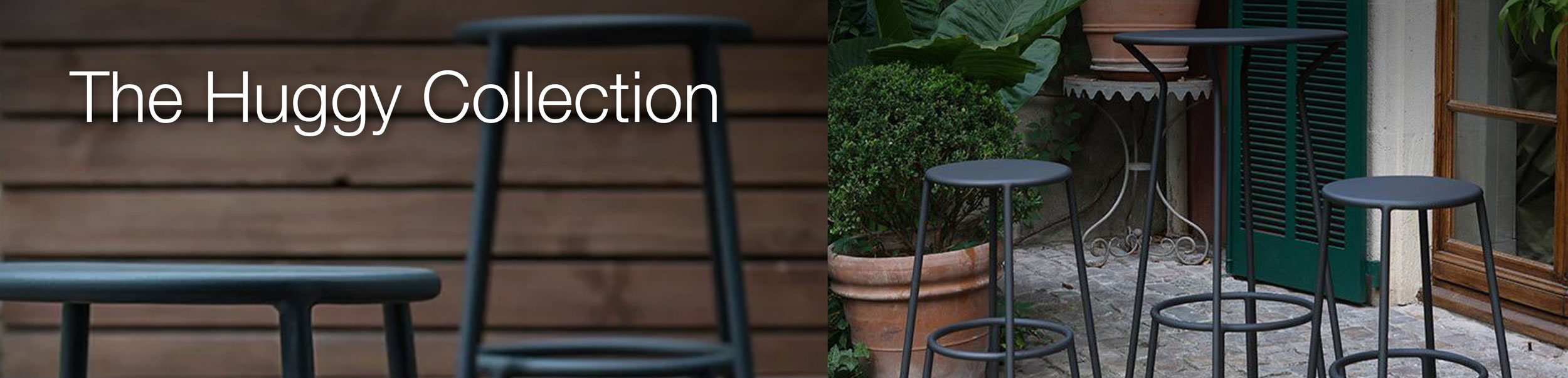
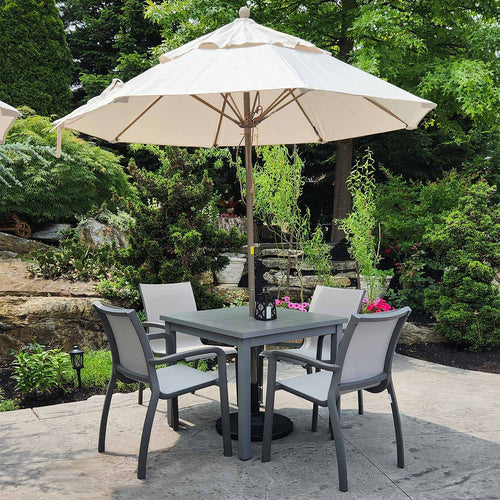
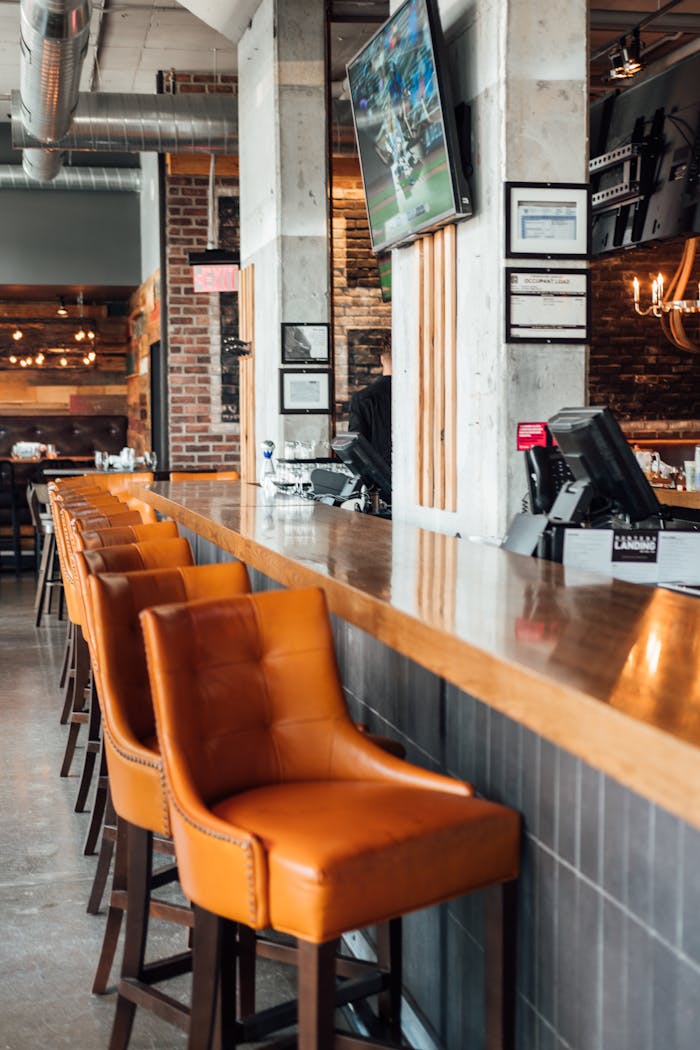
Eco-friendliness has moved past promotional talking point toward essential DNA. Tailwind had been reusing plastic jugs long ahead of recycling turned popular, yet the company went on to gone deeper. Waste created during the making line is reused and repurposed in-house. The factory top features topped with PV arrays that output greater juice than the factory uses for average shifts. Cardboard reinforcing protectors and shrink wrap have been replaced for reusable padding in freight. When a seat ultimately manages to hit Even in urban settings and public spaces, resin furniture proves its value. It withstands significant use, simplifies maintenance for workers, and resists harm higher than additional delicate alternatives. Some newer types are made from ocean-recovered plastics, turning waste into sturdy benches and seating. Wide bases and balanced construction provide stability on grass, gravel, concrete, and light slopes.
By the 1990s, raw-material science had evolved dramatically. Polyethylene and polypropylene were strengthened with advanced generations of hindered amine light stabilizers (HALS) and ultraviolet absorbers that inhibited photodegradation from a few years to decades. Pigments were coated so colors no longer leached or Grosfillex Furniture lost intensity after a mere summer. Manufacturers perfected to detail mold surfaces so the plastic no longer felt slick and cheap.